
No products in the cart.
Return To ShopSebaceous Cyst on the Eyelid? Discover Causes, Treatments, and Prevention
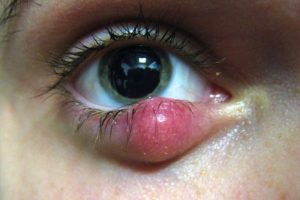
A sebaceous cyst on the eyelid can be an uncomfortable and often unsightly condition, affecting both appearance and comfort. Though typically harmless, these cysts can sometimes lead to irritation or infection, especially in such a sensitive area. In this article, we’ll explore the causes, treatments, and prevention strategies to help you manage and prevent sebaceous cysts on the eyelid.
What is a Sebaceous Cyst?
A sebaceous cyst is a small, noncancerous bump that forms beneath the skin. It typically develops due to a blocked sebaceous gland, which is responsible for producing sebum, an oily substance that helps lubricate the skin and hair. When this gland becomes clogged, it can create a sac-like structure filled with sebum and other debris, leading to a cyst.
Related Articles: 5 Surprising Foods That May Be Triggering Your Sebaceous Cysts
Characteristics of Sebaceous Cysts
Sebaceous cysts are usually:
- Round and smooth: They often feel like a soft, movable lump under the skin.
- Painless: Most sebaceous cysts don’t cause pain, but they can become tender or swollen if infected.
- Slow-growing: They typically grow gradually over time and are not usually a cause for concern unless they become large or inflamed.
- Common locations: These cysts commonly form on the face, neck, back, and upper body, though they can appear almost anywhere on the skin.
Causes of Sebaceous Cyst on the Eyelid
Sebaceous cysts can appear on various parts of the body, including the eyelid. Common causes of sebaceous cysts on the eyelid include:
- Blocked Oil Glands: The eyelids have numerous oil glands that can become clogged with sebum or debris, leading to cyst formation.
- Hormonal Imbalances: Hormones can affect sebaceous gland activity, leading to an overproduction of oil and an increased likelihood of blockage.
- Skin Conditions: Certain skin conditions, such as acne or seborrheic dermatitis, can increase the risk of cysts due to excess oil production.
- Injury or Trauma: Sometimes, an injury to the eyelid can disrupt the oil glands, leading to cyst development.
Symptoms of a Sebaceous Cyst on the Eyelid
Sebaceous cysts on the eyelid may vary in size, but they often share common symptoms, including:
Related Articles: 5 Non-Surgical Ways to Remove a Sebaceous Cyst
- A small, rounded lump beneath the skin
- Painless at first but can become tender if infected
- Reddish or yellowish appearance in some cases
- Swelling or discomfort if cyst enlarges
- Potential for vision obstruction if the cyst grows
Treatments for Sebaceous Cysts on the Eyelid
While sebaceous cysts on the eyelid are generally harmless, some may cause discomfort or lead to infections. Here are some effective treatments:
- Warm Compresses: Applying a warm compress to the eyelid can help soften and drain the cyst. This can also reduce swelling and relieve discomfort.
- Topical Antibiotics: If there is an infection, a healthcare provider may recommend topical antibiotics to prevent further bacterial growth.
- Steroid Injections: For larger cysts, a doctor may inject a steroid to reduce inflammation and promote healing.
- Surgical Removal: In cases where the cyst becomes painful, infected, or obstructs vision, a minor surgical procedure may be necessary to remove it. This procedure is typically quick and minimally invasive, done under local anesthesia.
- Home Remedies: Some people use gentle eyelid massage, tea tree oil (diluted), or aloe vera for mild cases. However, these remedies are best used with caution, as the eyelid is highly sensitive.

When to Seek Medical Attention
If the cyst grows, becomes painful, changes color, or affects your vision, it’s essential to consult a healthcare provider. Signs of infection, such as increased redness, swelling, and pus, also indicate a need for medical intervention.
Related Articles: A Comprehensive Guide to Natural Remedies for Sebaceous Cysts
Preventing Sebaceous Cysts on the Eyelid
While it’s not always possible to prevent sebaceous cysts, there are steps you can take to minimize the risk:
- Practice Good Hygiene: Regularly cleaning your eyelids with gentle cleansers can help remove excess oils and debris that might block sebaceous glands.
- Avoid Excessive Makeup: Heavy eye makeup can clog pores and increase the risk of cysts. Opt for non-comedogenic or oil-free products whenever possible.
- Avoid Touching or Rubbing Eyes: Touching your eyes frequently can transfer dirt and bacteria, which may clog the oil glands.
- Maintain a Balanced Diet: A healthy diet that includes essential vitamins and minerals can support skin health, potentially reducing cyst formation.
- Manage Skin Conditions: If you have underlying skin conditions, such as acne or rosacea, keep them well-managed, as these can contribute to cyst development.
Final Thoughts
Sebaceous cysts on the eyelid may be a minor nuisance, but they can occasionally lead to discomfort or even infection if left untreated. By understanding their causes, recognizing the symptoms, and exploring various treatment and prevention options, you can effectively manage this condition. Always consult with a healthcare professional if a sebaceous cyst on the eyelid becomes problematic. With proper care, you can maintain healthier, cyst-free eyelids and minimize future occurrences.
Frequently Asked Questions (FAQs)
1. What is a sebaceous cyst on the eyelid?
A sebaceous cyst on the eyelid is a small, slow-growing lump that develops when an oil-producing gland becomes blocked. Most eyelid cysts are harmless, but they can become swollen, uncomfortable, or infected if left untreated.
2. What causes a sebaceous cyst on the eyelid?
Common causes include blocked oil glands, skin injury, inflammation, bacterial infection, poor eyelid hygiene, and certain skin conditions such as acne or rosacea. These factors can interfere with normal oil drainage and lead to cyst formation.
3. What are the symptoms of a sebaceous cyst on the eyelid?
Symptoms may include:
- A painless or mildly tender lump
- Eyelid swelling
- Redness around the cyst
- Irritation or a feeling that something is in the eye
- Blurred vision if the cyst becomes large enough
4. Can a sebaceous cyst on the eyelid go away on its own?
Yes. Some small cysts improve without treatment over several weeks. Applying a warm compress several times a day may help promote drainage. However, persistent or enlarging cysts should be examined by an eye specialist.
5. Is it safe to pop or squeeze an eyelid cyst?
No. You should never squeeze, puncture, or attempt to remove an eyelid cyst yourself. Doing so can increase the risk of infection, scarring, and damage to the delicate tissues around the eye.
6. How is a sebaceous cyst on the eyelid treated?
Treatment depends on the size and severity of the cyst. Options may include:
- Warm compresses
- Good eyelid hygiene
- Antibiotics if infection is present
- Steroid injections in selected cases
- Surgical removal for persistent or recurring cysts
7. When should I see a doctor?
Seek medical advice if:
- The cyst becomes painful or rapidly enlarges.
- There is pus, bleeding, or severe redness.
- Your vision is affected.
- The cyst keeps returning.
- Home care does not improve the condition after a few weeks.
8. Can a sebaceous cyst on the eyelid be prevented?
Although not every cyst can be prevented, you can reduce the risk by maintaining good eyelid hygiene, removing eye makeup before sleeping, avoiding rubbing your eyes, and treating underlying skin conditions such as blepharitis or rosacea.
9. Is a sebaceous cyst on the eyelid cancerous?
Most sebaceous cysts are benign (non-cancerous). However, any eyelid lump that changes rapidly, bleeds, repeatedly returns, or has an unusual appearance should be evaluated by an ophthalmologist to rule out more serious conditions.
10. Can herbal remedies help with a sebaceous cyst on the eyelid?
Some people use warm compresses and gentle natural skincare to support comfort, but herbal remedies should not replace professional medical treatment. Because the eyelid is highly sensitive, always consult a qualified healthcare provider before applying any herbal product near the eyes.