
No products in the cart.
Return To ShopGranuloma Annulare vs Ringworm: Symptoms, Treatments and More
Granuloma Annulare vs Ringworm: How to Tell the Difference
Granuloma annulare vs ringworm can be confusing because both skin conditions may cause circular or ring-shaped patches. However, they have different causes, symptoms and treatments. Understanding these differences can help you recognise which condition may be affecting your skin and when to seek medical advice.
Granuloma annulare is a non-contagious inflammatory skin condition that usually appears as small, firm bumps arranged in a circular or ring-shaped pattern. These bumps are often skin-coloured, pink or slightly reddish. Unlike many fungal infections, granuloma annulare usually does not cause itching, scaling or discomfort. It commonly develops on the hands, feet, wrists and ankles. The exact cause is not fully understood, and some cases disappear without treatment.
Ringworm, on the other hand, is a contagious fungal infection that affects the skin. Despite its name, it is not caused by a worm. Ringworm typically produces round or oval patches with raised, red, scaly edges and clearer skin in the centre. The affected area may feel itchy, irritated or slightly uncomfortable. It can spread through direct skin contact, infected animals or contaminated personal items such as towels and clothing.
When comparing granuloma annulare vs ringworm, the most noticeable difference is the skin’s appearance. Granuloma annulare generally forms smooth rings made of small bumps, while ringworm often creates scaly, itchy patches with an inflamed border. Their treatments are also different. Doctors may recommend corticosteroid creams or other treatments for granuloma annulare, whereas ringworm usually requires antifungal medication.
If you notice a persistent circular rash, avoid self-diagnosing based on appearance alone. A dermatologist can examine your skin and perform a fungal test when necessary. Getting the correct diagnosis is important because treating a fungal infection with steroid creams alone may make it worse.
What is Granuloma Annulare?
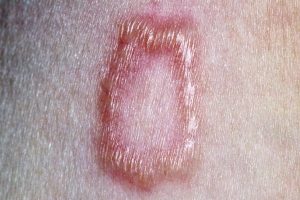
Granuloma annulare is a chronic skin condition that results in reddish or skin-colored bumps forming in a circular or ring-like pattern. The cause of granuloma annulare is not completely understood, though it’s believed to be related to immune system responses. Unlike ringworm, granuloma annulare is not contagious.
What is Ringworm?
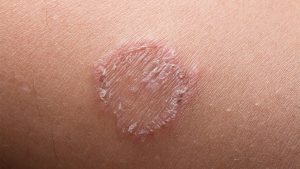
Ringworm, also known as tinea, is a fungal infection that can affect the skin, scalp, and nails. Despite its name, ringworm is not caused by a worm but by dermatophyte fungi that live on the outer layer of the skin. The infection is highly contagious and can spread through direct contact with an infected person, animal, or contaminated surfaces.
Symptoms of Granuloma Annulare vs Ringworm
Understanding the symptoms of granuloma annulare versus ringworm can help in differentiating the two conditions.
Granuloma Annulare Symptoms
- Appearance: Small, firm bumps that form a circular or ring-shaped pattern. These bumps are often skin-colored or red.
- Texture: Typically smooth to the touch.
- Location: Often appears on the hands, feet, elbows, or knees, but can occur on other body parts.
- Itchiness: Generally not itchy, although some people may experience mild discomfort.
Ringworm Symptoms
- Appearance: Red, circular rash with a raised, scaly edge and a clearer center, resembling a “ring.”
- Texture: Rough or scaly patches on the skin.
- Location: Can appear anywhere on the body, but is especially common on the scalp, feet, and groin.
- Itchiness: Usually very itchy, with possible scaling or cracking of the skin around the edges of the rash.
Causes and Risk Factors
The underlying causes of granuloma annulare and ringworm are quite different.
Granuloma Annulare Causes
- Immune Response: Granuloma annulare is thought to be an immune system reaction, though the exact cause remains unclear.
- Associated Conditions: In some cases, granuloma annulare has been linked with other medical conditions like diabetes or thyroid disease.
- Triggers: Physical trauma or insect bites may trigger granuloma annulare, though it’s not a direct cause.
Ringworm Causes
- Fungal Infection: Ringworm is caused by dermatophyte fungi, which thrive in warm, moist environments.
- Contagion: It is highly contagious and can spread through contact with infected individuals, animals, or contaminated objects like towels, clothing, and gym equipment.
- Risk Factors: Ringworm is common among athletes, especially wrestlers, due to close skin-to-skin contact and shared equipment. Pets, particularly cats and dogs, can also carry and spread ringworm.
Diagnosing Granuloma Annulare vs Ringworm
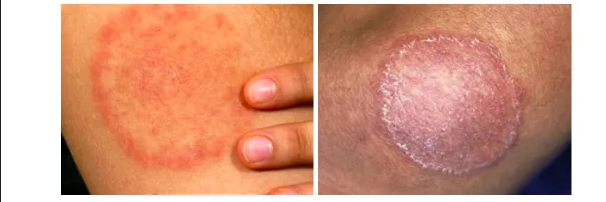
A dermatologist can help differentiate between granuloma annulare and ringworm by examining the rash and, if necessary, performing additional tests.
- Granuloma Annulare Diagnosis: Diagnosis is typically done through visual examination, though in some cases, a skin biopsy might be required to rule out other conditions.
- Ringworm Diagnosis: Diagnosis is usually confirmed by examining skin scrapings under a microscope, which will reveal the presence of fungi.
Treatment Granuloma Annulare vs Ringworm
The treatments for granuloma annulare and ringworm differ significantly due to their distinct causes.
Related Articles: Does Drinking Alcohol make Granuloma Annulare worse?
Granuloma Annulare Treatment
Granuloma annulare is a chronic skin condition characterized by raised, reddish or skin-colored bumps forming ring patterns on the skin, often on hands, feet, elbows, or knees. While this condition is typically benign and may resolve on its own, some cases can persist, causing discomfort or aesthetic concerns. Here’s an overview of treatment options:
1. Topical Corticosteroids
- Purpose: To reduce inflammation and manage symptoms.
- Application: Apply as prescribed to the affected area to help minimize the appearance and itching.
- Notes: Long-term use may cause skin thinning, so it’s often prescribed for short durations.
2. Intralesional Corticosteroid Injections
- Purpose: To target stubborn or larger lesions that don’t respond to topical treatment.
- Procedure: Injected directly into the lesion to reduce inflammation and promote healing.
- Considerations: Often administered by a dermatologist in a clinical setting.
3. Cryotherapy
- Method: Uses liquid nitrogen to freeze and reduce lesion size.
- Purpose: Helps in flattening the lesions by destroying affected tissue.
- Effectiveness: Works well for localized granuloma annulare but may require multiple sessions.
4. Phototherapy (Light Therapy)
- Options: PUVA (psoralen plus ultraviolet A) or narrow-band UVB light therapy.
- Purpose: To reduce inflammation and encourage lesion clearance, especially in widespread cases.
- Risks: May cause skin irritation or increase skin cancer risk with prolonged use.
5. Oral Medications
- Options: Certain medications, such as hydroxychloroquine, isotretinoin, or dapsone, may be prescribed for chronic or severe cases.
- Mechanism: These medications help reduce immune system activity, which can improve skin symptoms.
- Considerations: Regular monitoring is necessary due to potential side effects.
6. Natural and Home Remedies
Related Articles: Does Apple Cider Vinegar help Granuloma Annulare?
- Aloe Vera: Known for its soothing and anti-inflammatory properties, it can be applied to help with irritation.
- Turmeric: May be taken as a Herbal Supplements for Granuloma Annulare or applied as a paste for its anti-inflammatory benefits.
- Omega-3 Fatty Acids: Found in fish oil and flaxseed, omega-3s support skin health and may reduce inflammation.
7. Lifestyle and Dietary Adjustments
- Anti-inflammatory Diet: Include foods rich in antioxidants (like berries, leafy greens) and avoid processed foods that may worsen inflammation.
- Stress Management: Since stress can exacerbate skin conditions, practices like mindfulness, meditation, and regular exercise may help keep symptoms at bay.
8. Monitoring and Patience
- For many, granuloma annulare may resolve spontaneously within months or years. Regular dermatological check-ups can help monitor progression and determine the need for treatment adjustments.
If you’re experiencing persistent or uncomfortable symptoms, consulting a dermatologist will help you determine the best approach based on the size, location, and persistence of the lesions.
Related Articles: Can you get granuloma annulare from a food allergy?
Ringworm Treatment
Ringworm, also known as tinea, is a common fungal infection affecting the skin, scalp, or nails. Despite its name, it is not caused by a worm but by a fungus that thrives in warm, moist environments. Ringworm causes a red, itchy, ring-shaped rash that can spread if not treated properly. Here’s a guide to understanding effective treatment options for ringworm.
1. Topical Antifungal Creams and Ointments
- Over-the-Counter Options: Most cases of ringworm can be treated with antifungal creams, lotions, or powders available over the counter. Popular options include clotrimazole, miconazole, and terbinafine.
- Application: Apply the cream to the affected area twice daily for at least two weeks. Be sure to wash your hands after application to prevent spreading.
2. Prescription Antifungal Medications
- Stronger Medications: If ringworm is severe or does not respond to over-the-counter treatments, a doctor may prescribe stronger topical or oral antifungal medications.
- Common Prescriptions: Griseofulvin and terbinafine are often prescribed for difficult cases, especially for ringworm on the scalp or nails, which can be more stubborn.
3. Home Remedies for Mild Ringworm
- Tea Tree Oil: Known for its antifungal and antibacterial properties, tea tree oil may help in treating ringworm. Apply diluted tea tree oil (1 part oil to 3 parts carrier oil) to the affected area once or twice daily.
- Apple Cider Vinegar: The acidity of apple cider vinegar may help in killing the fungus. Dab it gently on the rash with a cotton ball a few times a day.
- Coconut Oil: This can be soothing and has mild antifungal effects, making it ideal for sensitive areas. Apply coconut oil to the rash several times daily.
4. Maintain Good Hygiene
- Keep the Area Clean and Dry: Since ringworm thrives in moist environments, it’s essential to keep the affected area as clean and dry as possible.
- Avoid Sharing Personal Items: Ringworm is contagious, so avoid sharing towels, clothes, or bedding with others.
- Wash Hands Frequently: Frequent hand washing can prevent the infection from spreading to other parts of your body or to others.
5. When to See a Doctor
- Persistent or Worsening Symptoms: If the ringworm rash is not improving after two weeks of treatment or if it continues to spread, consult a healthcare provider.
- Scalp and Nail Infections: Ringworm on the scalp or nails is harder to treat with topical solutions alone and typically requires oral antifungal medication.
Prevention Tips for Granuloma Annulare and Ringworm
Preventing Granuloma Annulare
Since granuloma annulare has no clear cause, prevention can be challenging. However, maintaining overall health and managing any associated conditions, like diabetes, may help reduce the risk of recurrence.
Preventing Ringworm
Because ringworm is highly contagious, prevention focuses on minimizing exposure to the fungus.
- Practice Good Hygiene: Regular handwashing and personal hygiene can prevent the spread of ringworm.
- Avoid Sharing Personal Items: Towels, clothes, and grooming tools should not be shared.
- Pet Care: Regularly inspect pets for signs of ringworm, and consult a veterinarian if you notice any lesions on your pets’ skin.
- Keep Skin Dry: Fungi thrive in moist conditions, so keeping skin dry and clean, especially after exercise, can help prevent infection.
Related Articles: Vitamin D Could Be the Key to Treating Granuloma Annulare
When to Seek Medical Advice
While granuloma annulare is generally harmless, it’s advisable to seek medical attention if the lesions spread, cause discomfort, or persist for several months. Ringworm, however, should be treated promptly to prevent spreading to others. If over-the-counter treatments for ringworm are ineffective after two weeks, consult a healthcare provider for stronger medications.
Key Takeaways
Granuloma annulare and ringworm can appear similar but have different causes and treatments. Granuloma annulare is a non-contagious condition often linked to immune responses, while ringworm is a highly contagious fungal infection. Knowing the differences in symptoms and treatment options can help in managing each condition effectively.
Frequently Asked Questions (FAQs)
1. What is the main difference between granuloma annulare and ringworm?
Granuloma annulare is a non-contagious inflammatory skin condition that causes ring-shaped bumps, while ringworm is a contagious fungal infection that produces circular, often itchy and scaly rashes.
2. How can you tell granuloma annulare from ringworm?
Granuloma annulare usually appears as smooth, firm, skin-coloured or reddish bumps arranged in a ring. Ringworm typically produces a red, itchy, scaly patch with a raised outer edge and a clearer centre.
3. Is granuloma annulare contagious like ringworm?
No. Granuloma annulare is not contagious and cannot spread through physical contact. Ringworm is contagious and can spread through contact with infected people, animals or contaminated objects.
4. Does granuloma annulare itch more than ringworm?
Generally, no. Granuloma annulare is often painless and causes little or no itching. Ringworm commonly causes itching, irritation and sometimes scaling or cracking around the affected skin.
5. Can granuloma annulare be mistaken for ringworm?
Yes. Both conditions can cause circular skin lesions, making them difficult to distinguish without a proper examination. A dermatologist may perform a skin scraping or biopsy to confirm the diagnosis.
6. What does granuloma annulare look like compared with ringworm?
Granuloma annulare generally appears as smooth, raised bumps forming a circular pattern. Ringworm usually looks like a red, scaly, ring-shaped rash with a more noticeable outer border.
7. What is the best treatment for granuloma annulare?
Treatment depends on the type and severity of granuloma annulare. Options may include topical corticosteroids, steroid injections, cryotherapy and phototherapy. Some cases resolve without treatment, so a dermatologist may recommend monitoring.
8. Can antifungal cream treat granuloma annulare?
No. Antifungal creams treat fungal infections such as ringworm, but they do not treat granuloma annulare because it is not caused by fungi. An accurate diagnosis is important before starting treatment.
9. Can ringworm go away without treatment?
Some mild fungal infections may improve, but ringworm can persist and spread without appropriate treatment. Antifungal creams are commonly used for skin infections, while scalp and nail infections may require prescription medication.
10. When should I see a dermatologist for a circular skin rash?
Consult a dermatologist if a circular rash spreads, becomes painful, causes persistent itching or does not improve with treatment. Professional assessment is especially important when you are unsure whether the rash is granuloma annulare, ringworm or another skin condition.
Medical Disclaimer
The information provided in this article, Granuloma Annulare vs Ringworm: Symptoms, Treatments and More, is intended for educational and informational purposes only. It should not be considered medical advice, diagnosis or treatment recommendations.
Granuloma annulare and ringworm are different skin conditions that can sometimes have similar appearances. Always consult a qualified dermatologist or healthcare professional for an accurate diagnosis and appropriate treatment plan.
The information about natural remedies, herbal supplements, dietary changes and conventional treatments is not intended to replace professional medical care. Natural products and supplements may cause side effects or interact with medications. Always seek advice from your healthcare provider before using any supplement or alternative remedy.
Do not delay or avoid medical consultation because of information presented in this article. Herbal Care Products does not guarantee the prevention, treatment or cure of granuloma annulare, ringworm or any other medical condition.